I’m overwhelmed by all the universal TV remote options and can’t tell which ones actually work well with multiple brands (TV, soundbar, streaming box, and older Blu-ray player). My current remotes are worn out and I’m tired of juggling four different ones. Can anyone recommend a reliable universal remote that’s easy to set up, has good range, and won’t become useless if I upgrade my TV or streaming device soon?
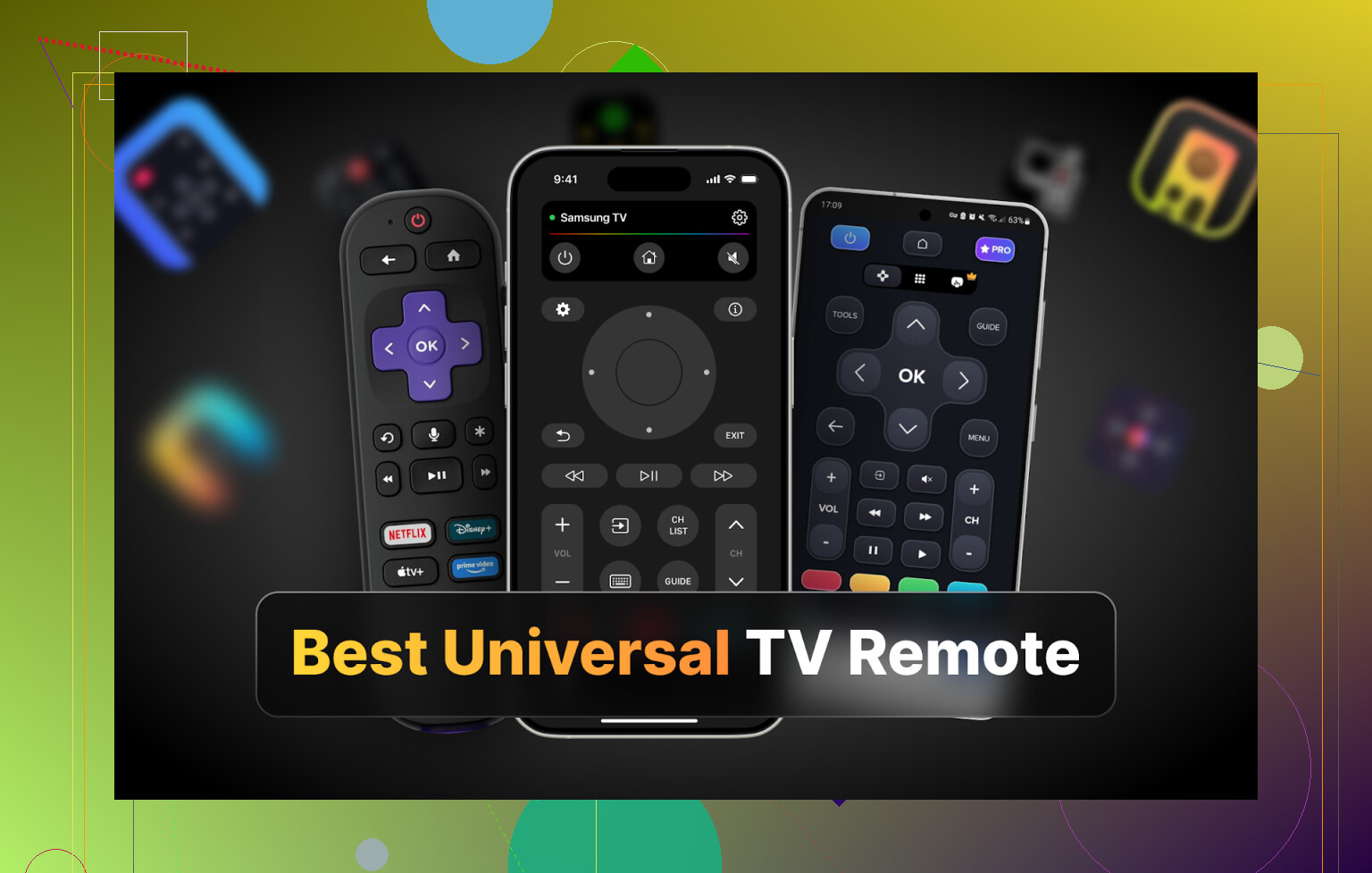
Hi all,
I got fed up hunting for TV remotes around the house. I have a Samsung in the living room and an LG in the bedroom, so I kept juggling two remotes, replacing batteries, digging in couch cushions, the usual pain.
So I went down the “phone as a universal remote” rabbit hole.
I tested a bunch of apps on iPhone, Android, and Mac over a few evenings and weekends, using my own TVs at home. Below is how it went, what worked, what annoyed me, and what I’d personally keep installed.
Part 1: TV remote apps I tried on iPhone
I pulled four of the more visible iOS remote apps from the App Store:
TVRem Universal TV Remote
TV Remote – Universal Control
Universal Remote TV Smart
TV Remote – Universal
Each one got at least a couple of days of real use, mostly with my Samsung, occasionally with my LG.
TVRem Universal TV Remote – my main pick on iPhone
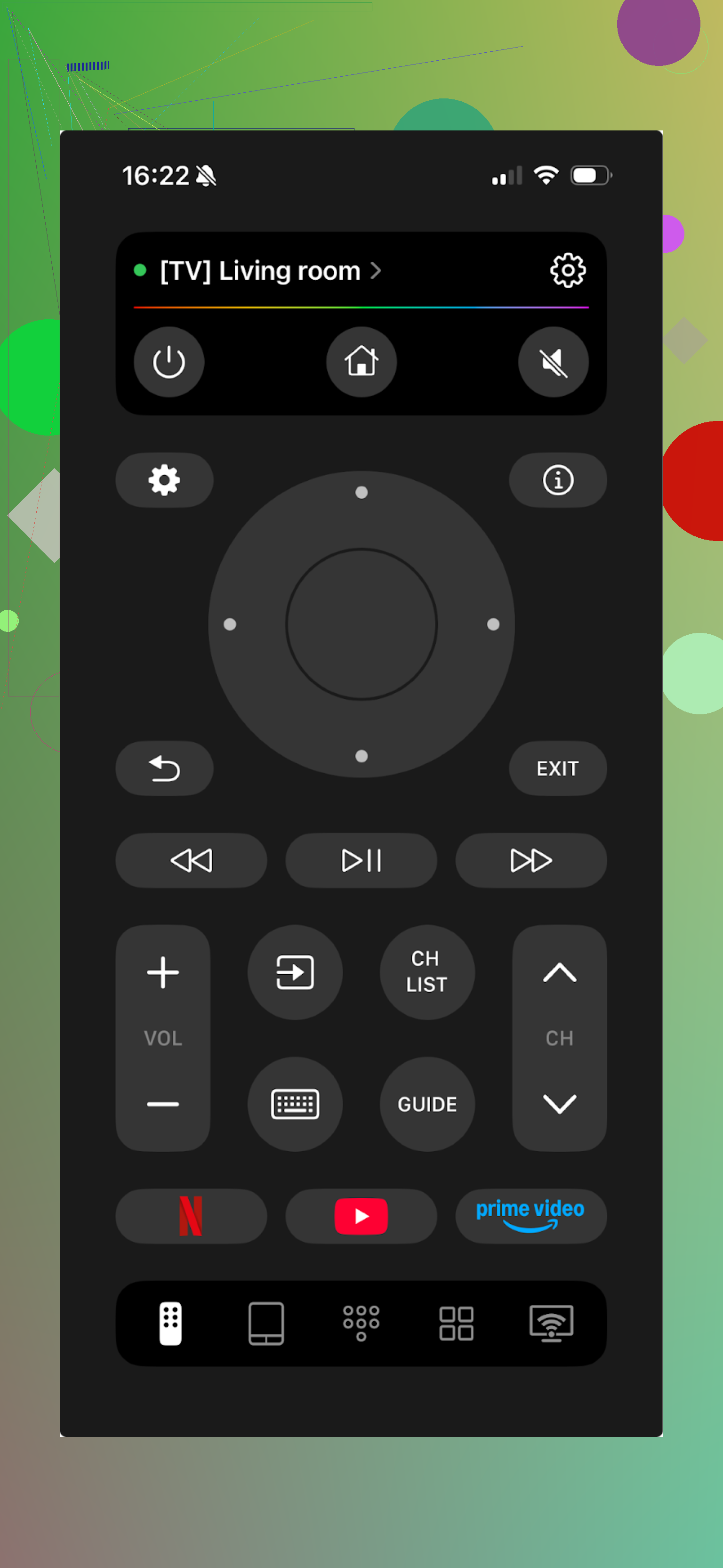
This one surprised me the most.
I installed it expecting some sort of bait-and-switch subscription. Instead, it worked with my Samsung and LG out of the box, no weird registration wall, no fake “limited free” tricks.
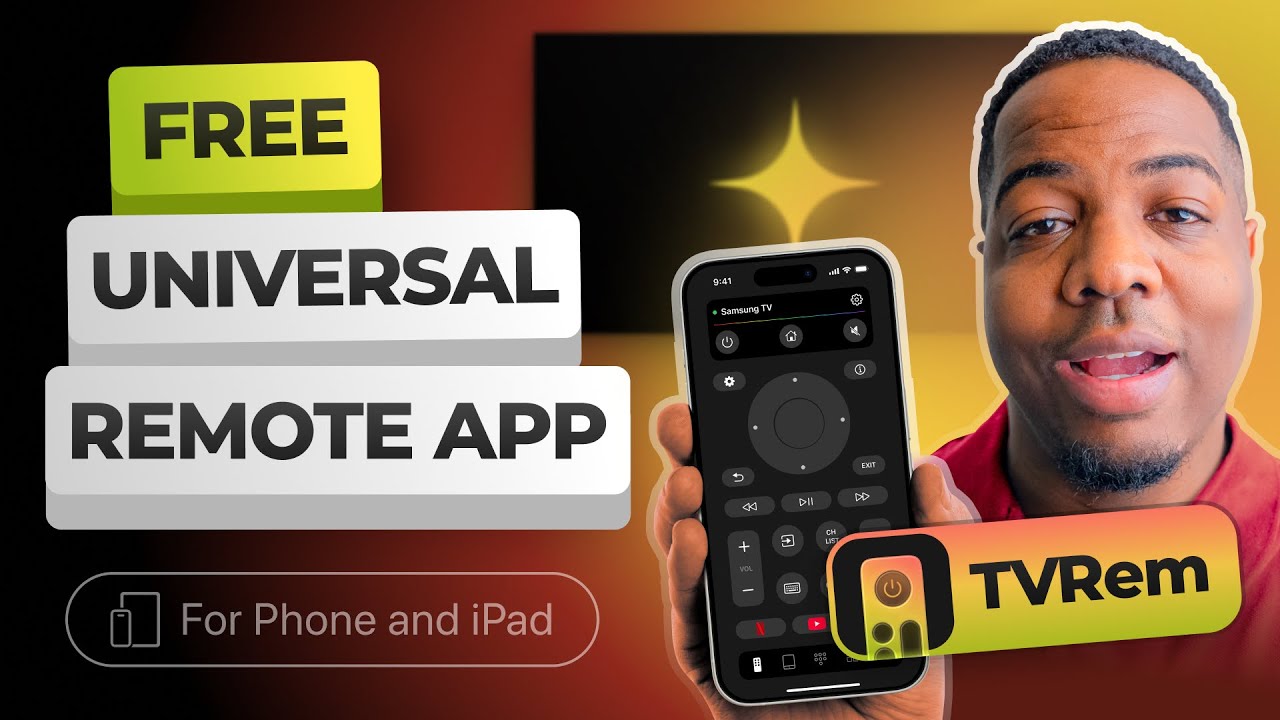
It worked with:
LG
Samsung
Sony
Android TV
Roku
and a bunch of others in the list.
What I used most:
• touchpad to move around the TV UI
• voice input when searching inside apps
• full keyboard for passwords, logins, search terms
It did all the basic stuff I’d expect from the physical remote: volume, channel switching, navigation, back, home, etc.
Pros
- Setup was simple, the TV popped up and paired without drama
- Layout is clear, takes about one minute to understand
- No paywalls, no pointless “premium” toggle
- Works with several brands, so I could control both TVs from the same app
- Keyboard and touchpad make smart TV menus less painful
Cons
- No Vizio support, so if your main screen is Vizio, this is a hard no
Price: free
Link: TVRem Universal TV Remote App App - App Store
There is also a decent Reddit thread where people argue over these types of apps and compare them to physical remotes:
https://www.reddit.com/r/DataRecoveryHelp/comments/1qqa2bh/best_universal_tv_remote/
Product link:
Verdict
For daily use with Samsung / LG, I kept this one. No nagging, no “upgrade to use volume”. It stayed on my home screen.
TV Remote – Universal Control
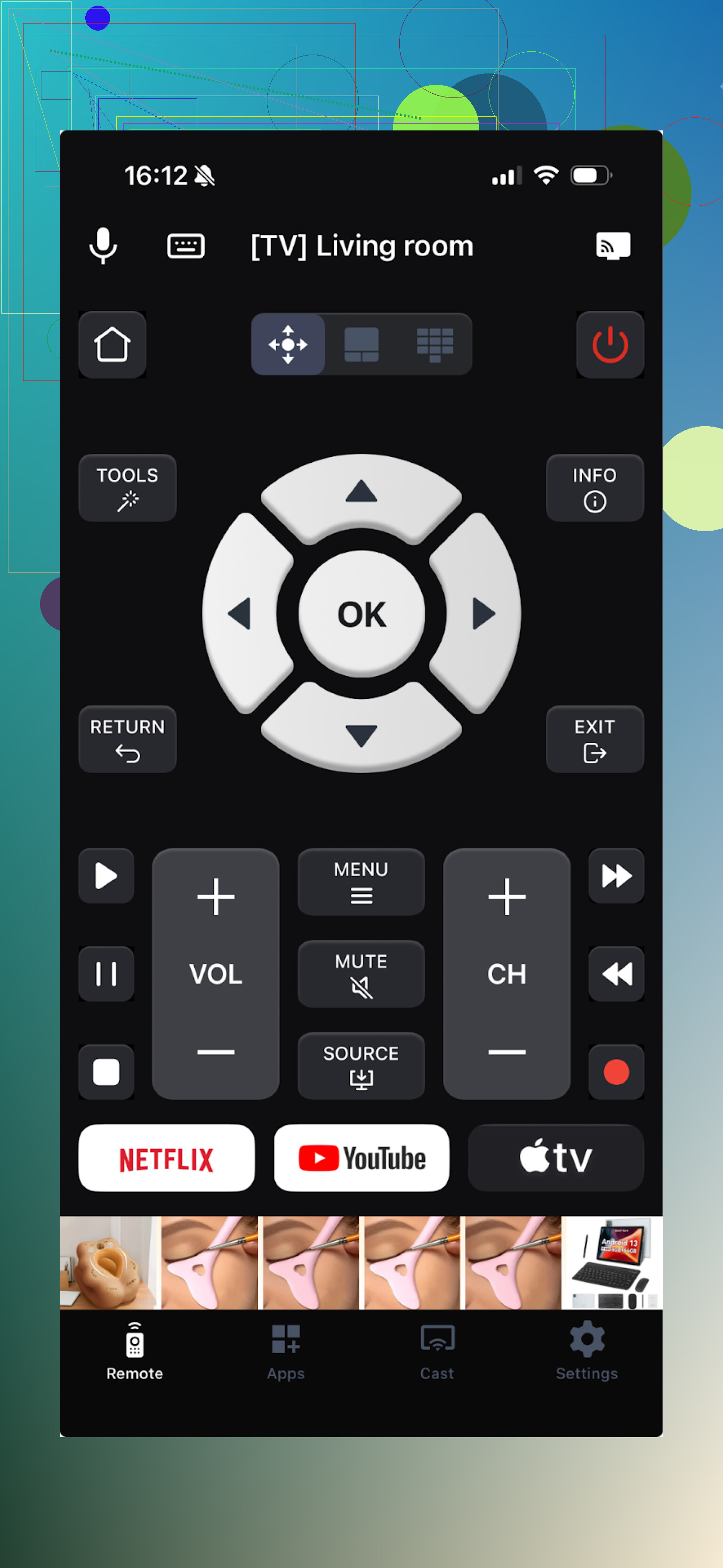
This one also supports multiple brands and connects over Wi‑Fi. When the network behaved, the app behaved.
Features I tested:
• touchpad
• voice control
• quick app / channel launcher
• keyboard
All the pieces I need were there. The problem: I had to start a trial to touch most of them. Without the trial, the app felt half-locked.
There is also casting in there, but I rarely beam content from my phone, so I barely touched that.
Pros
- Has the tools I usually need
- Wide TV brand support
Cons
- Ads inside the app
- Many core actions trigger a subscription prompt
- It crashed a few times when I opened extra menus
Price: from $4.99 and up
Link: TV Remote - Universal Control App - App Store
Verdict
Works, but every second tap was trying to push me into paying. I did not buy a sub because I was specifically hunting for something cheaper or free that still works.
Universal Remote TV Smart
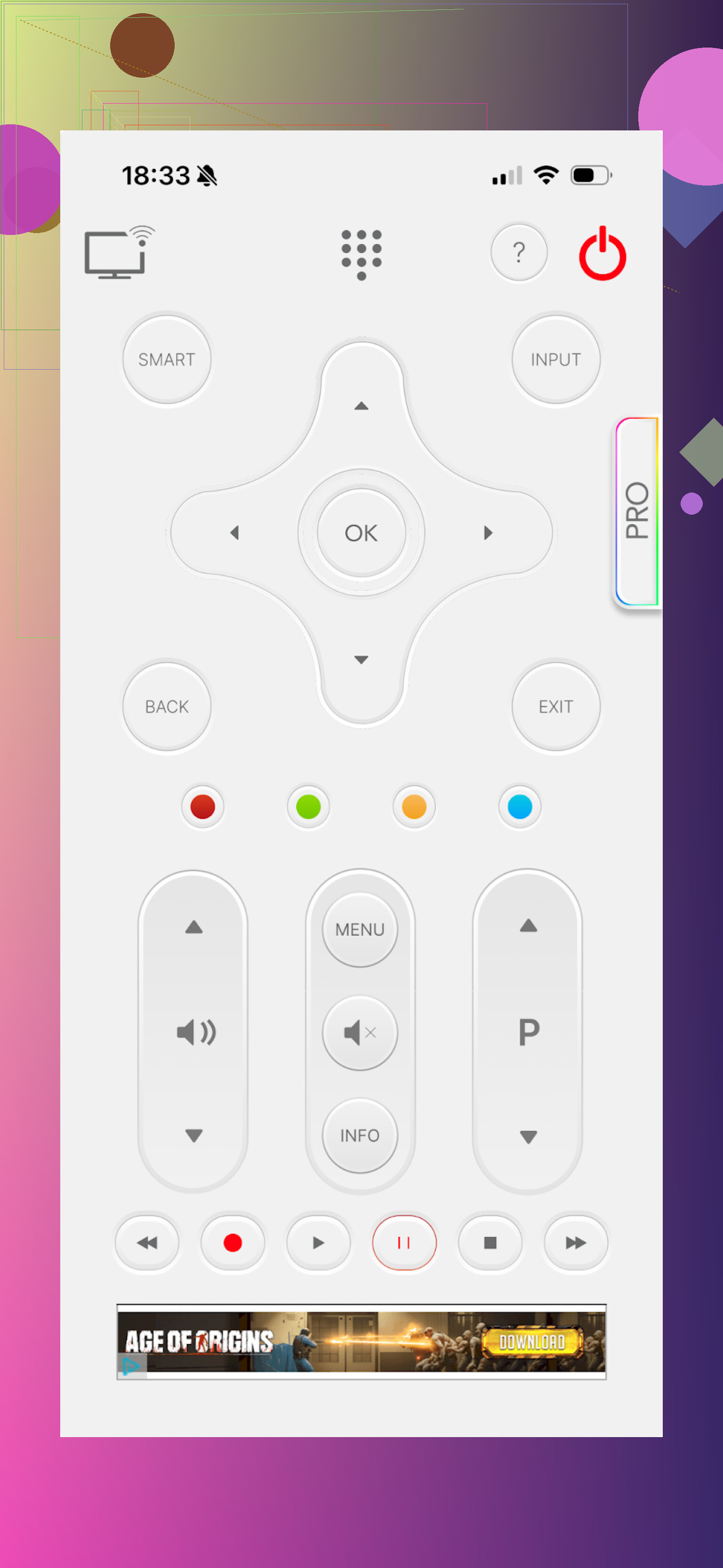
This one annoyed me almost instantly.
It supports plenty of brands, no problem there. Functionally it has:
• keyboard
• basic navigation
• volume / channels
The layout though feels messy. Buttons are packed in a way that did not match what my thumb expected from a “real” remote layout. Kept mis-tapping.
On top of that, ads keep jumping in, often as forced video. While testing, I clicked to open YouTube on the TV, then hit OK, and got an upsell screen instead of YouTube.
Pros
- Covers many brands
Cons
- Layout does not feel natural as a remote
- No voice control
- Aggressive ads with forced videos
- Most stuff is paywalled, including really simple flows
Price: from $7.99 and up
Link: Universal remote tv smart App - App Store
Verdict
Easily the weakest of the iOS batch for me. Paid features stacked on a clumsy UI. I deleted it pretty fast.
TV Remote – Universal
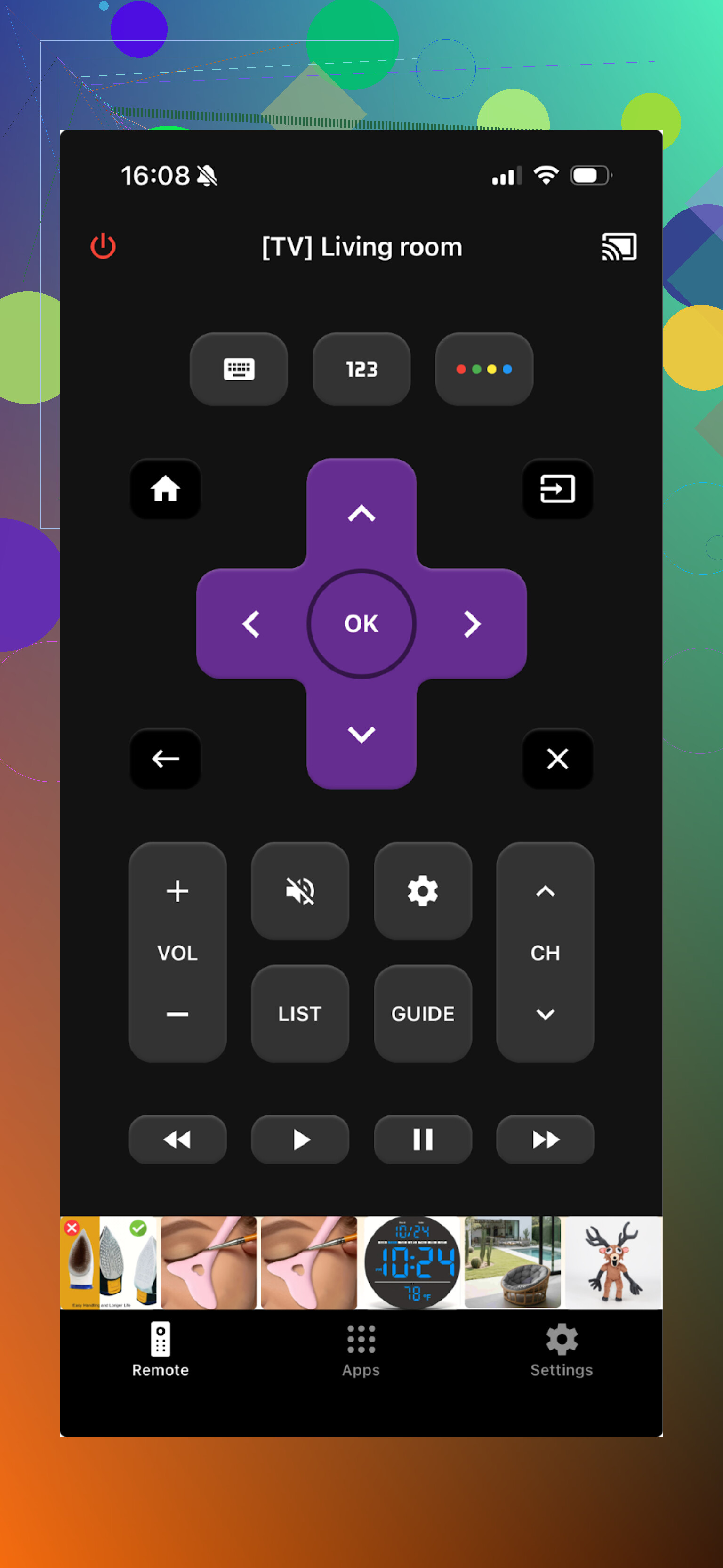
This one tries to be a simple universal remote for iPhone and iPad. It listed the usual suspects:
LG
Samsung
Sony
Vizio
Android TV
others
Connection uses Wi‑Fi, so your phone and TV both need the same network. When that condition was met, pairing was quick.
Feature set:
• basic channel and app switching
• keyboard input
• playback buttons like rewind / pause / play
Pros
- Easy TV discovery and pairing
- Interface is not cluttered
- Core functions are there
- Offers a free trial
Cons
- Built‑in ads, removable if you pay
- Most extras sit behind some subscription prompt
Price: from $4.99 and up
Link: TV Remote - Universal App - App Store
Verdict
I ran through the free trial period to check everything. Main screen stuttered sometimes, not enough to be a dealbreaker, but noticeable. All key controls worked. Same story as others though: heavy reliance on upsells and locked features. I did not keep the subscription.
Part 2: Android TV remote apps I tested
My wife uses Android, so we did a separate round of testing on her phone. I tried four remote apps there as well.
Universal TV Remote Control
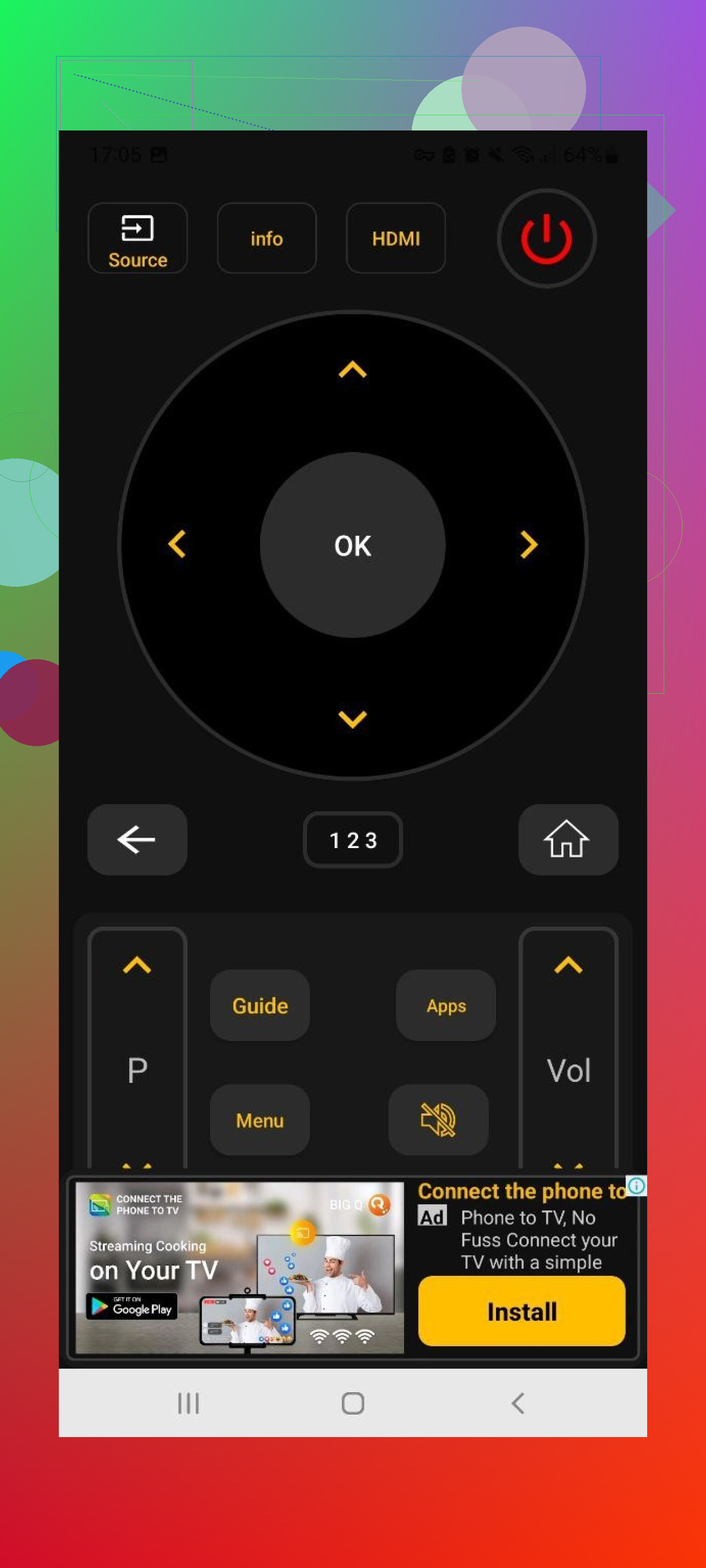
This one is widely used on Android. It recognized:
Sony
Samsung
LG
Philips
TCL
Hisense
Panasonic
and a long tail of others
Nice surprise: it works either over Wi‑Fi or with IR if your phone has an IR blaster, so it can behave like an old-school remote on some phones.
What I liked on paper:
• trackpad navigation
• app control
• voice search
• full keyboard
All of that is available without paying, which sounds good. Then the ads started.
I lost count of how many interstitials and banners I had to close. Some of them stalled, so I sat waiting for a close button that appeared late or not at all. The app even crashed on me several times, which forced a reconnection to the TV.
Pros
- Works with a ton of TVs
- Can operate over Wi‑Fi or IR
- Features are free, nothing critical hidden
Cons
- Too many ads, sometimes not closable
- Crashes and reconnects break the flow
Price: free
Link: https://play.google.com/store/apps/details?id=codematics.universal.tv.remote.control&hl=en
Verdict
Functionality is there, but the ad experience killed it for me. If you have a high tolerance for interruptions, you might still use it. I do not.
Remote Control For All TV | AI
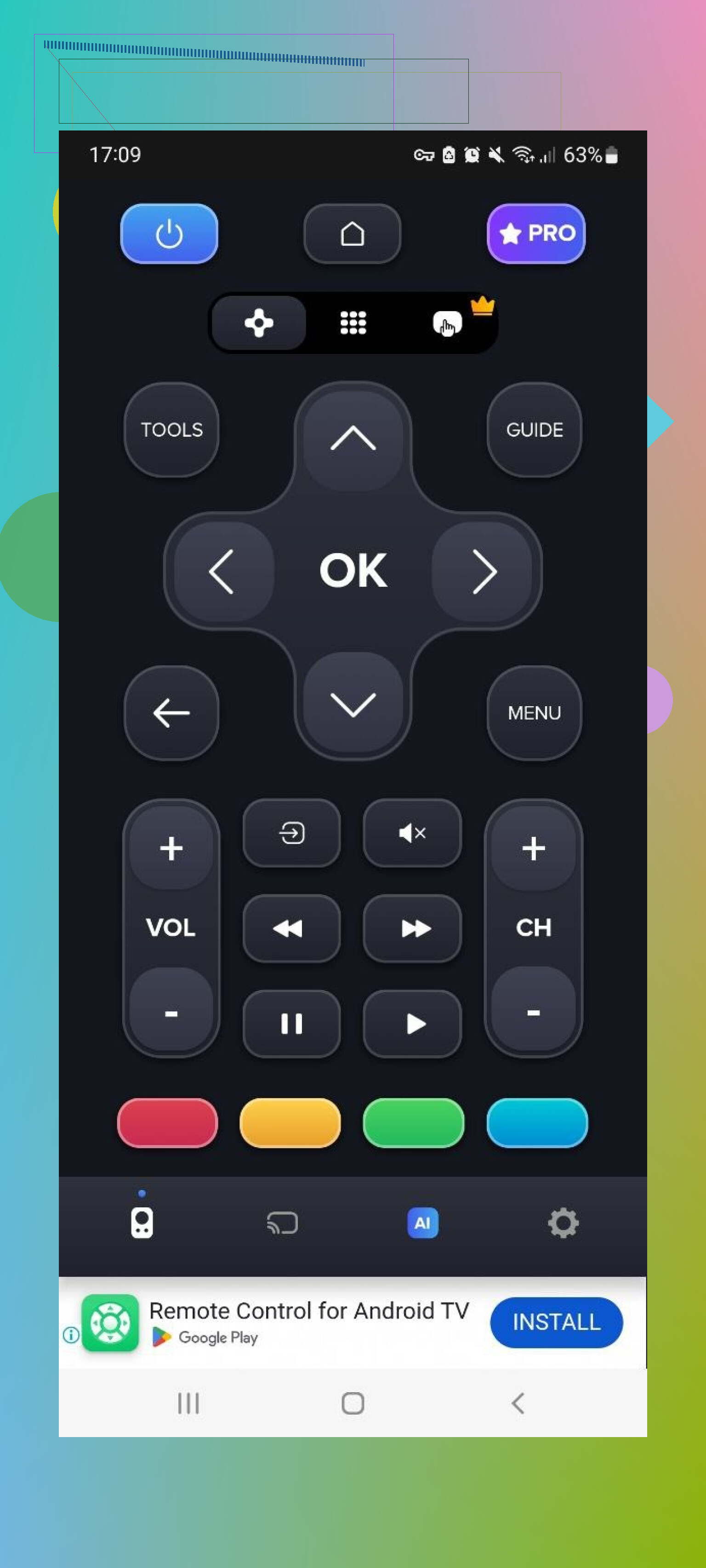
This app also turns your Android phone into a universal remote using Wi‑Fi. It detected both my Samsung and my LG.
Free tier:
• basic remote buttons
• volume / channels
• directional pad
Negatives:
• a lot of ads
• scan and connection felt slow compared to others
Paid tier unlocks:
• ad removal
• “AI assistant” feature
• full keyboard with voice input
• screen mirroring
Pros
- Works with many TV brands
- You get simple controls without paying
Cons
- Free version is ad-heavy
- TV discovery is slow
- Most interesting extras require a subscription
Price: from $4.99 and up
Link: https://play.google.com/store/apps/details?id=com.sensustech.universal.remote.control.ai
Verdict
If all you need is a temporary remote for simple actions and you do not care about waiting a bit during connection, this is acceptable. For daily use, the slow detection plus the paywall on better features made me skip it.
Universal TV Remote Control (Unimote)
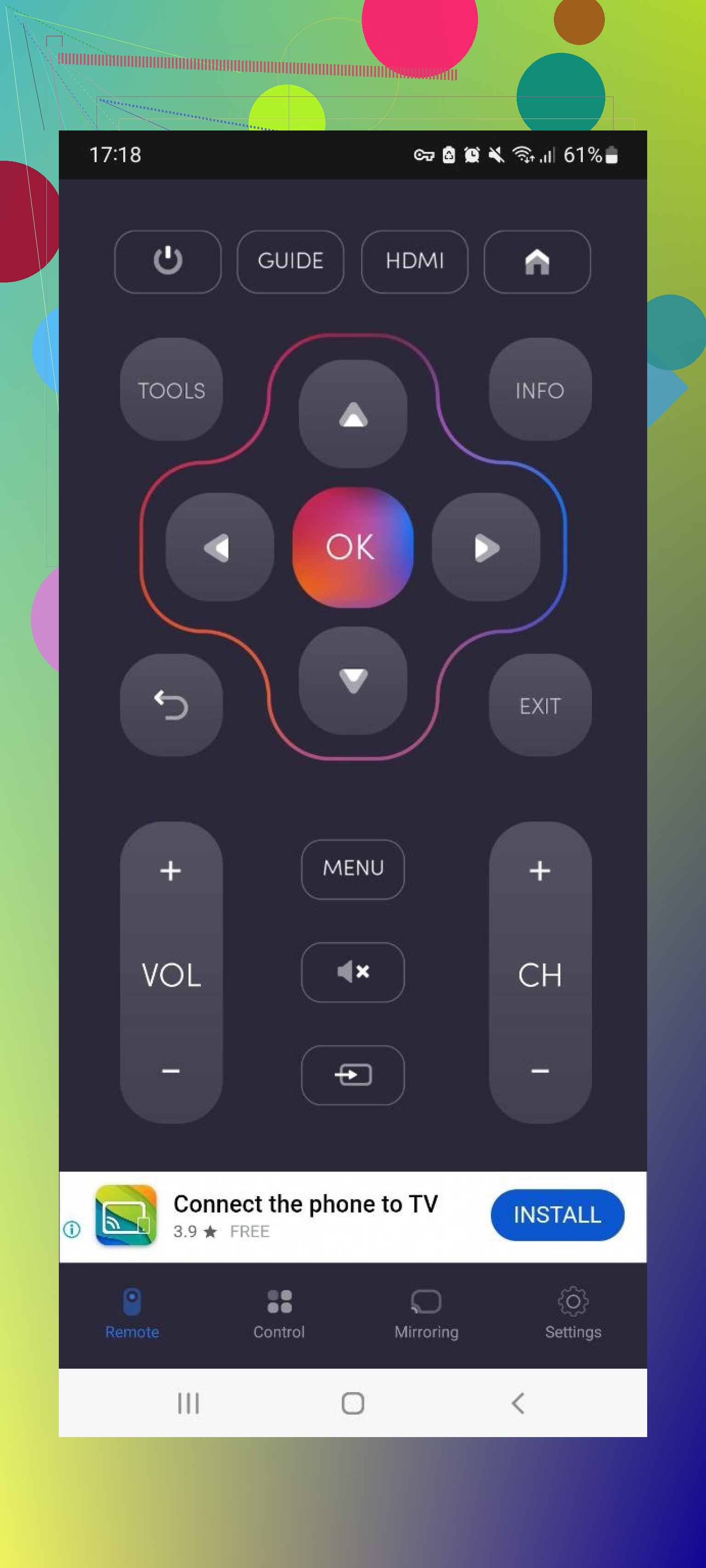
This one is similar in concept: works over Wi‑Fi with smart TVs, or via IR when your phone supports IR.
The scan found my Samsung fast, but then took multiple attempts to lock in the connection. Every few taps a full‑screen ad popped up. Controlling the TV felt like threading a needle between ad popups.
Pros
- Clean basic UI once you reach the remote screen
- Dual mode: IR and Wi‑Fi
Cons
- Constant full‑screen video ads that interrupt usage
- Many features gated behind in‑app purchases
- Connection dropped periodically
Price: from $5.99 and up
Verdict
As a backup when your main remote vanishes, it is fine. For everyday TV control, I got annoyed quickly by the unstable connection and the ad spam.
Universal TV Remote Control (another one)
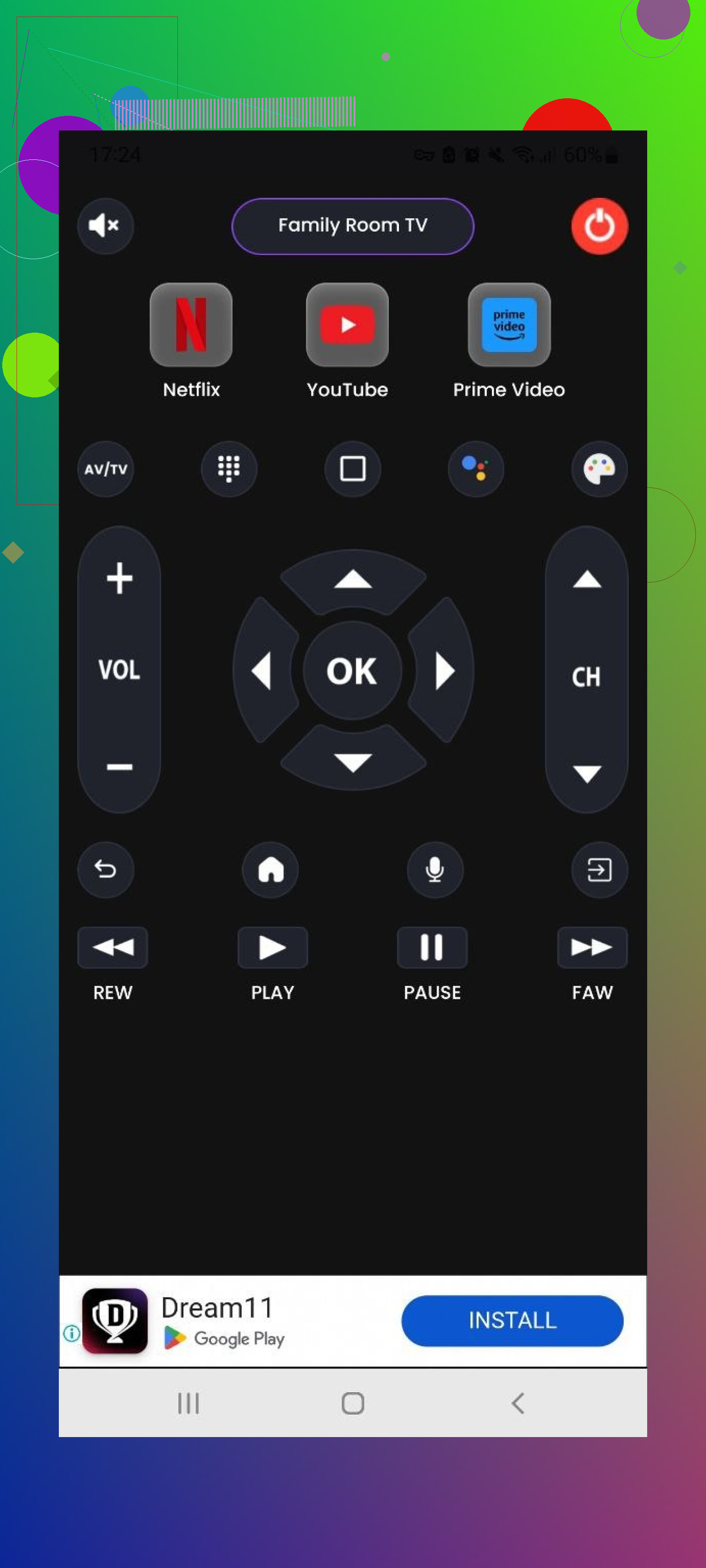
Last Android app in my list, also named Universal TV Remote Control, but from a different developer.
Supported brands:
LG
Samsung
Sony
TCL
and a bunch more
Works both over Wi‑Fi and using IR.
Feature-wise, it is pretty bare but complete:
• power on / off
• main control screen for navigation
• Home / Menu button
• simple playback controls, Play / Stop / Back / Forward
Pros
- Has the base functions most people reach for
- Includes a free trial
Cons
- Lots of ads woven into use
- Most features end up paid
Price: from 3.99 and up
Link: https://play.google.com/store/apps/details?id=com.uzeegar.universal.smart.tv.remote.control&hl=uk
Verdict
Everything I needed was technically available, but behind payment. On top of that, the ad count is high. If you are sensitive to that kind of thing, it gets old fast.
Part 3: Using Mac as a TV remote
I also tried controlling the TV directly from my Mac, which was more convenient than I expected when I was already on the laptop.
TVRem Universal TV Remote for Mac
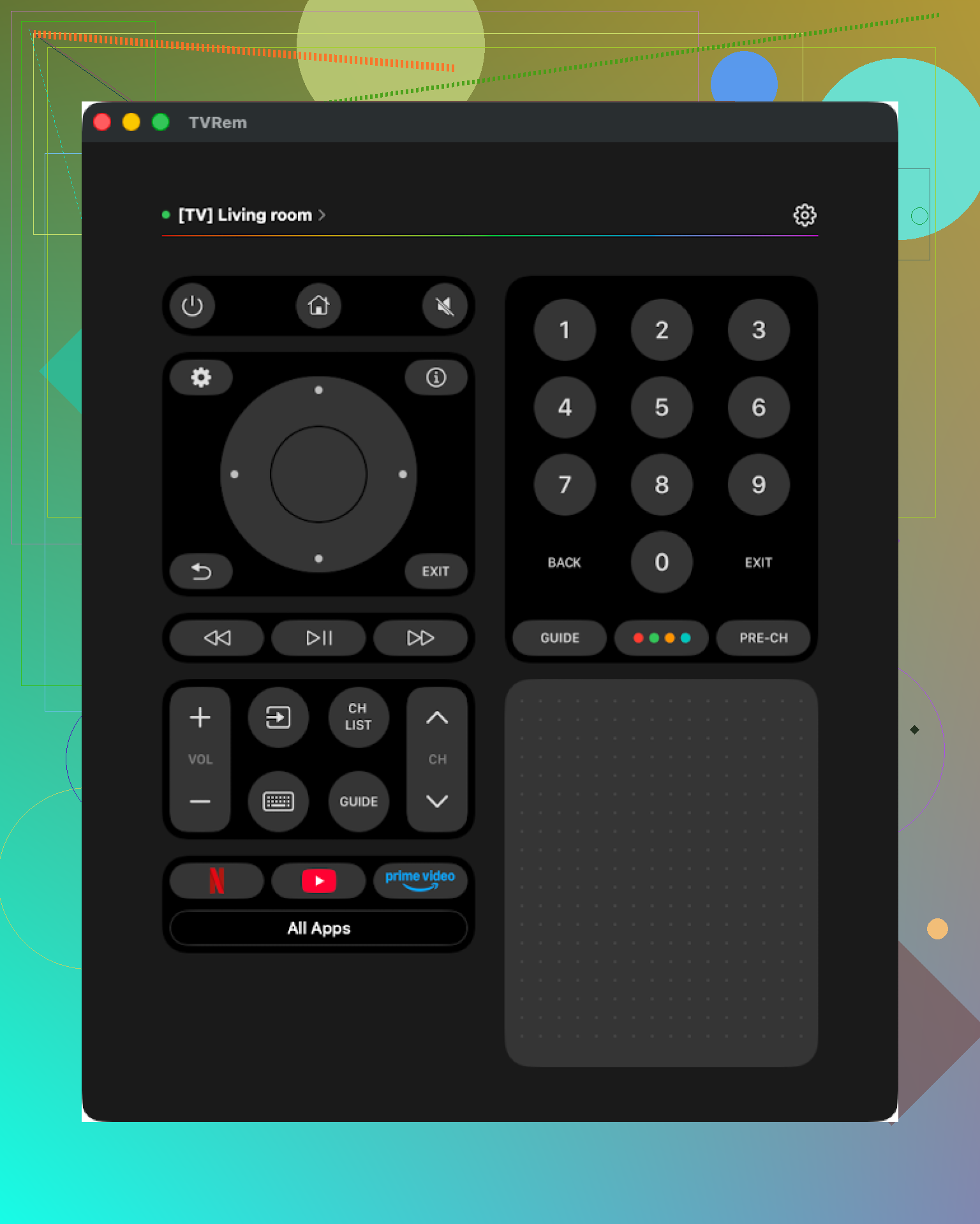
Same name as the iPhone app, different platform. I grabbed it from the Mac App Store and tested with my Samsung first.
Setup was straightforward. TV appeared, I approved it, and the remote screen loaded. The UI is simple but clear, nothing buried behind tiny icons.
Features I used regularly:
• touchpad for navigating smart TV apps
• built‑in keyboard for searches and logins
• app launcher for hopping between Netflix, YouTube, etc.
No subscriptions, no surprise “upgrade” nag.
Pros
- Easy to understand, minimal clutter
- No ads, no paid wall
- Works with many big brands
- Every essential control I usually use is there
Cons
- Same as the iOS version, no support for Vizio TVs
Price: free
Link: TVRem Universal TV Remote App App - App Store
Verdict
If you often sit on your Mac while something runs on the TV nearby, this makes sense. I kept it installed for that exact use. The missing Vizio support is still the only real limitation I hit.
TV Remote, Universal Remote (Mac)
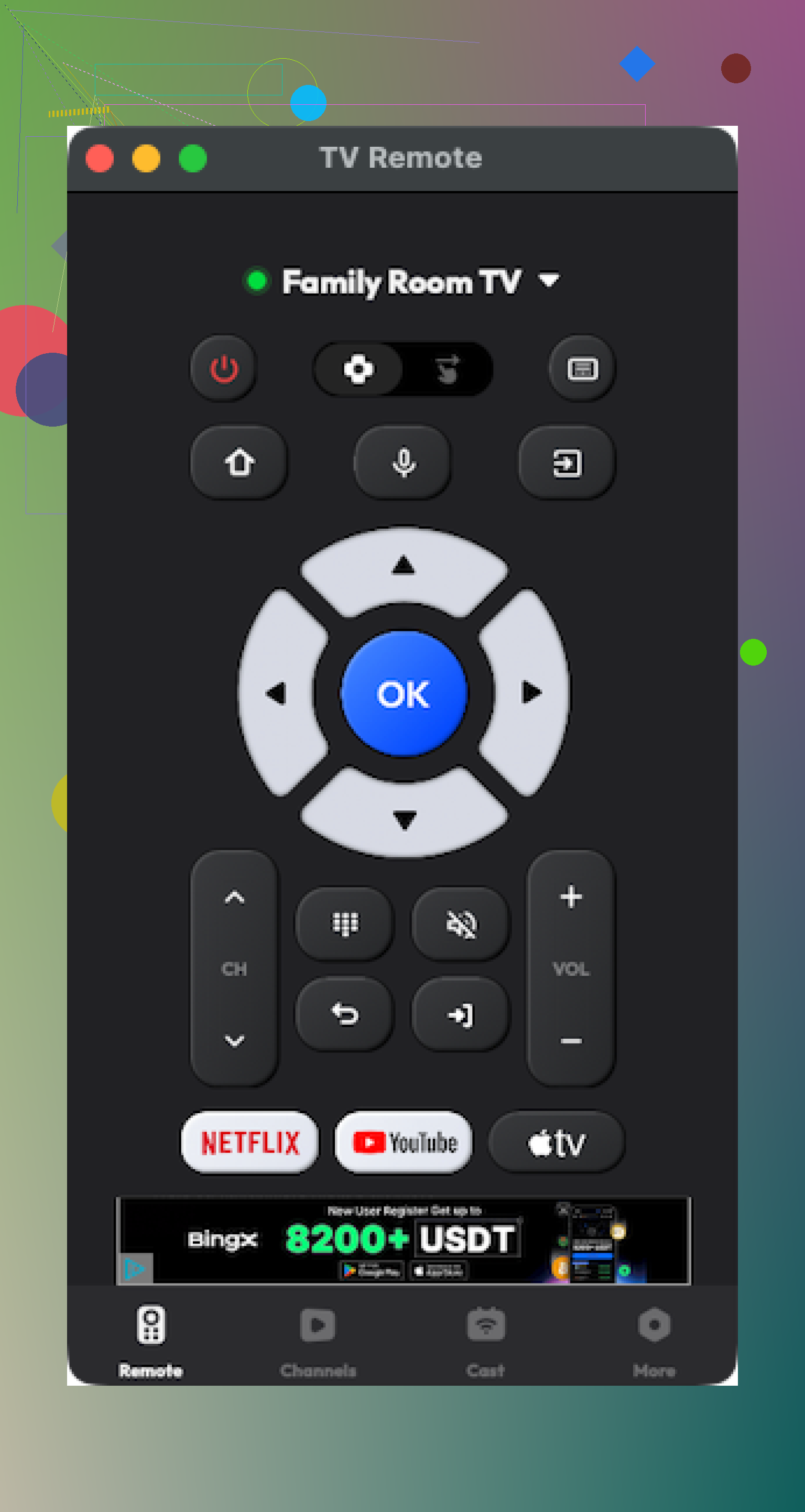
Also on the Mac App Store. The UI looked fine, a bit busier than TVRem but usable.
I paired it with my Samsung without trouble. First impression was positive, then I ran into two issues:
• several functions required payment to unlock
• the app crashed on me a few times during normal use
Pros
- Interface looked okay, not confusing
- Supports many brands and has the usual primary buttons
Cons
- A lot of things hidden behind in‑app purchases
- Occasional app crashes
Price: from $4.99 and up
Link: TV Remote, Universal Remote App - App Store
Verdict
It works, but if you want stability plus full access, you will end up paying and maybe filing support tickets. With TVRem already working fine and being free, I did not see a reason to stay with this one.
Part 4: Physical remote vs remote app
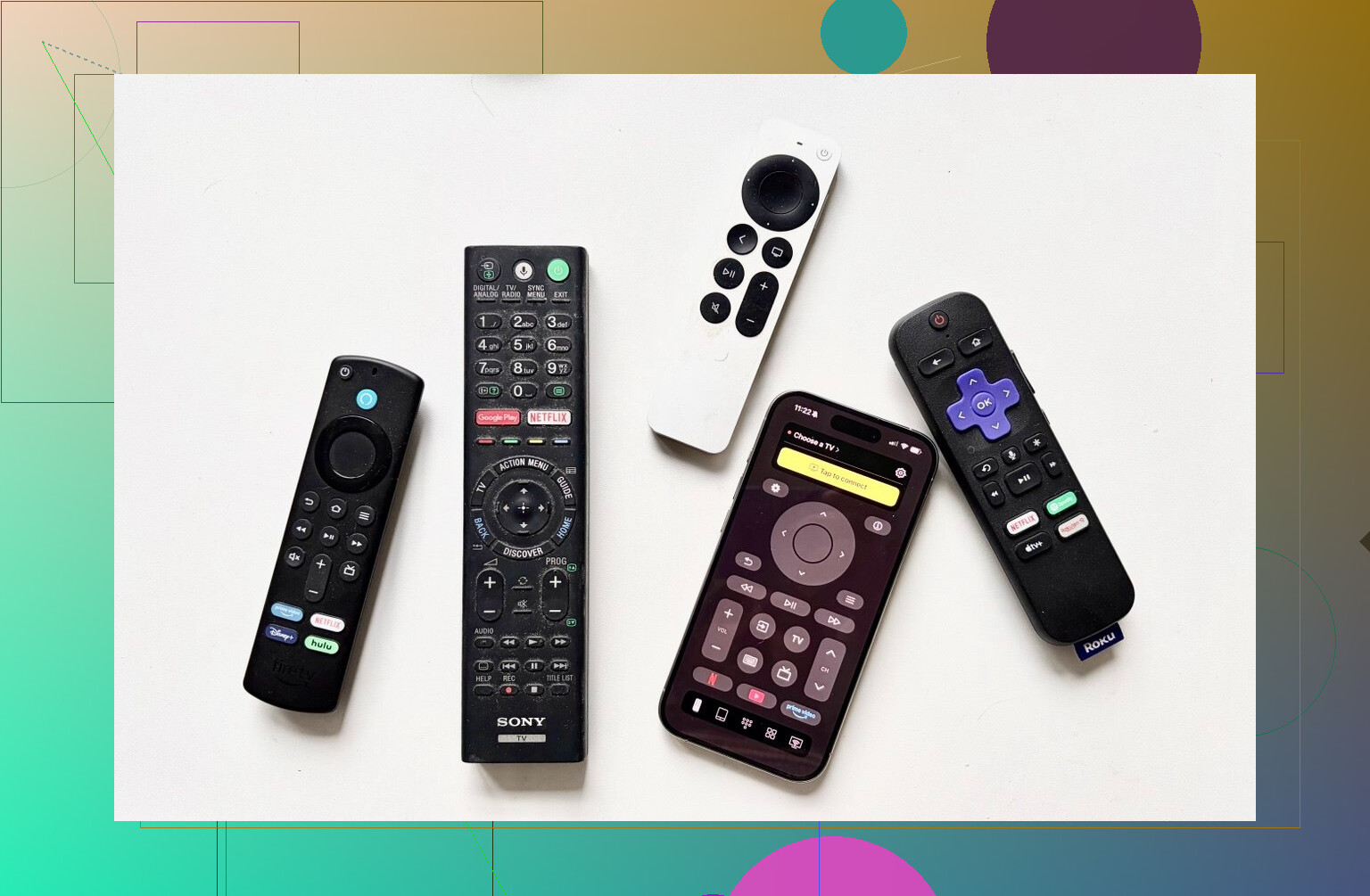
Quick comparison from using both daily.
Physical remote
The thing that ships with your TV. Separate hardware.
Remote app
Software on your phone or tablet that sends commands over Wi‑Fi, Bluetooth, or IR.
Why I leaned toward apps most of the time
-
Harder to lose
My phone sits next to me or in my pocket. The TV remote somehow ends up under the couch or in another room. -
Typing does not suck as much
Typing a 16‑character Wi‑Fi password with arrow keys on a physical remote is slow. With apps that have a keyboard or voice input, I log in and search faster. -
Cost
Remote apps often cost nothing or a few dollars.
Replacement remotes on Amazon, rough current ranges I saw:
• Samsung TV remotes for 2019–2025 models: around $15–$20
• LG TV remotes: roughly $13–$35
If your original remote dies or disappears for good, spending zero on a working app is hard to argue with.
-
One app, multiple screens
Households with more than one TV, or a mix of TV plus streaming boxes, get more out of a universal remote app. Single icon on your phone, switch target device in a second. -
Interfaces are usually clearer
Some TV remotes still look like a calculator from 2005. Apps usually condense it into a smaller, flatter layout. In my case, navigation felt less clunky.
Where remote apps fall short
• Network requirement
Many apps need your phone and TV on the same Wi‑Fi. If the router acts up, or the TV is in a weird network sleep state, the app stalls.
• You depend on your phone
Battery low, kids took your phone, or you left it in another room, and suddenly you are stuck again.
• Feature gaps per TV model
Some TVs only expose basic controls over the network, so your app will not get deep settings access even if it wants to.
What I ended up using in daily life
After trying all of these, I noticed I was reaching for phone and laptop a lot more than the plastic remotes.
On iPhone
My main choice is TVRem Universal TV Remote:
Reasons:
• free
• no ads
• supports both my Samsung and LG
• has keyboard and touchpad
The Vizio limitation is the only caveat I keep repeating.
Second place: TV Remote – Universal (the paid one), which behaved okay in trial. If you do not mind paying and want more options, it is acceptable.
On Android
My wife stuck with Universal TV Remote Control from the Play Store:
Functionally it checked all her boxes. I still dislike the ad volume, but she tolerates it. She only uses it when the hardware remote goes missing.
On Mac
TVRem Universal TV Remote again:
I use it when I am working on the laptop and have the TV running in the background. Switching apps or lowering volume from the keyboard turned out more convenient than hunting for the physical remote.
If you are tired of chasing remotes around the room, I would start with TVRem on iPhone or Mac if you do not have a Vizio, then test a couple of Android options to see which one annoys you less with ads.
3 Likes
Short answer for physical universal remotes, not phone apps:
-
If you want “one remote for everything” and do not mind setup:
• Sofabaton U2 (IR only, cheaper)
• Sofabaton X1 (hub based, closer to old Logitech Harmony) -
If you want cheap and simple:
• One For All URC-7880 (Smart Control 8)
• GE 6‑ or 8‑device backlit remotes
You have TV, soundbar, streaming box, older Blu‑ray. You want HDMI‑CEC support where possible, so one power button turns most of it on and off.
Quick disagreement with @mikeappsreviewer here. Phone remotes are fine as backups. For a main living room setup with multiple boxes, a physical universal remote is faster, works when Wi‑Fi flakes, and anyone in the house can use it without “where is the phone” drama.
Breakdown:
-
Sofabaton U2
• Controls up to 15 devices by IR
• Big code database, works with most TVs, Blu‑ray, soundbars, older gear
• Mac and Windows app for config via USB
• Activity style use: one button for “Watch TV” etc, but not as smart as Harmony
Pros: under 60 USD, replaces a pile of old remotes, solid buttons.
Cons: no hub, needs line of sight. RF streaming boxes and game consoles are limited. -
Sofabaton X1
• Remote plus hub, up to 60 devices
• Works with IR, Bluetooth, and some IP controls
• Better if your streaming box is Roku, Apple TV, Fire TV or similar
• Activities are more polished than U2
Pros: closest thing to a Harmony Elite today. Great for mixed systems.
Cons: ~170 to 200 USD. Setup on the phone app takes some patience.
For you I would lean:
• If budget is tight, or devices are mostly older and IR: Sofabaton U2.
• If you want one button to start the TV, soundbar, streaming box with inputs set correctly: Sofabaton X1.
-
One For All URC‑7880
• Up to 8 devices
• Good support for big TV brands, major soundbars, Blu‑ray players
• Smart activities, you press one button for “Watch Movie” etc
• Price around 35 to 50 USD
Nice middle ground if X1 feels too expensive. -
GE universal remotes (6 or 8 device, backlit)
• Cheap, often 10 to 20 USD
• Wide IR code list
• No real activity logic, mostly straight device switching
Good if you want one simple remote, do not care about fancy macros.
Strategy that works for most people:
-
Decide if you want a hub.
• If your streaming box uses Bluetooth only, hub style like X1 is safer.
• If everything responds to IR, U2 or URC‑7880 is enough. -
List brands and approximate years.
• Recent Samsung, LG, Sony, TCL, Vizio, Roku TV, plus usual soundbars and Blu‑ray, all sit in Sofabaton and One For All databases. -
Use HDMI‑CEC where possible.
• Turn CEC on in TV settings and in the soundbar and streaming box.
• Then your universal remote powers the TV, and the rest follow.
If you want zero phone reliance and one remote on the table that handles TV, soundbar, streaming box and Blu‑ray smoothly, Sofabaton X1 is the most complete current option.
If you want something cheaper but still solid, URC‑7880 or Sofabaton U2.
Short version: for a pile of mixed gear like yours (TV + soundbar + streaming box + older Blu‑ray) the “safe bets” right now are:
- Sofabaton X1 if you want true one‑remote, one‑button activities
- Sofabaton U2 or One For All URC‑7880 if you want cheaper but still solid
Now the slightly longer bit.
@voyageurdubois is right that phone remotes are fine as backups, but I actually disagree a bit with both them and @mikeappsreviewer on leaning too hard into apps at all. They’re awesome when the physical remote disappears, but for a living‑room setup with multiple people and multiple devices, depending on one person’s phone and Wi‑Fi feels like a future argument waiting to happen.
Key thing you need to check first:
- Does your streaming box use Bluetooth only (Roku Stick, Fire Stick, Apple TV, newer Shield, etc.)?
- Or can it be controlled via IR from across the room?
If any major piece is Bluetooth only, the usual cheap “universal” remotes will not handle it well, no matter what the packaging claims.
That’s why:
-
Sofabaton X1
- Best current replacement for the old Logitech Harmony crowd.
- Has a hub that blasts IR and talks Bluetooth and IP.
- Can do real “Watch Movie” style activities: one button turns on TV, sets HDMI input, powers soundbar, wakes streaming box, all lined up.
- Great when family members just want one obvious button and don’t want to remember “first power that, then change TV input, then…”
Downsides: setup can be fussy, price is not cute. But for 4 devices like yours, it actually earns its keep.
-
Sofabaton U2
- Cheaper, IR only.
- Good if everything you own can see IR and you’re fine with line‑of‑sight.
- Handles TV + soundbar + Blu‑ray just fine, streaming box only if it has IR.
If your streamer is a stick that only talks Bluetooth, this might not actually solve your “one remote” problem. That’s the trap a lot of people fall into.
-
One For All URC‑7880
- Kind of the “normal person” option.
- Supports 8 devices, good brand coverage, decent activity support.
- Less nerdy than Sofabaton, more “pick code, go” vibe.
If you don’t care about a fancy screen on the remote and just want a reliable plastic wand, this is often the least annoying choice.
-
The cheap GE‑type remotes
- They do work, @voyageurdubois is right there, but they’re really best if:
- you only need basic IR control, and
- you’re okay manually juggling inputs and power sometimes.
- With a soundbar + streamer + old Blu‑ray, you’ll almost definitely end up explaining to someone “no, hit that mode button first” every other day.
- They do work, @voyageurdubois is right there, but they’re really best if:
Personally, in a setup like yours, I’d do this:
-
If any device is Bluetooth only or hidden in a cabinet:
Go Sofabaton X1, turn on HDMI‑CEC on TV / soundbar / streamer, set up “Watch TV” and “Watch Blu‑ray” activities, and be done with it. -
If all devices are IR friendly and visible:
Go One For All URC‑7880 or Sofabaton U2 depending on price and what’s in stock.
Phone / Mac apps like the ones @mikeappsreviewer walked through are awesome as “oh crap, where did the remote go” tools, or for typing passwords. But as a primary control for a multi‑device setup, a physical universal remote still wins on “anyone in the room can grab it and it just works,” even if it’s not as flashy.
Short version: for a mixed setup like yours, a physical universal remote + phone apps as backup is usually the least painful long‑term.
I partly agree with @voyageurdubois on the value of simple IR remotes and with @espritlibre on Sofabaton/Harmony‑style “activities,” and I actually side with @mikeappsreviewer that phone remotes are underrated. Where I disagree a bit: I would not rely on a phone app as the primary controller for a multi‑box home theater, and I also would not jump straight to the priciest hub solution unless you actually need Bluetooth and cabinet control.
Since you asked about “best universal TV remote for multiple devices,” I’d think in layers:
1. Decide if you really need a hub remote
Ask yourself:
- Is your streaming box Bluetooth only (Roku Stick, Fire TV Stick, Apple TV, Shield, etc.)?
- Is anything hidden in a cabinet or out of line of sight?
- Do you want 1 button to power TV + soundbar + box + Blu‑ray and set inputs correctly?
If you answered “yes” to 2 or 3, or have Bluetooth gear, then a hub style remote like Sofabaton X1 (as mentioned by @espritlibre) is where the frustration actually stops. If everything is IR and visible, you can save money with a classic universal or mid‑range smart remote.
2. Where the phone / Mac apps from @mikeappsreviewer fit
Their testing of apps like TVRem and others is spot on:
- Excellent for typing passwords, quick searches, and “my kid lost the remote again.”
- Annoying for daily “couch potato” use, because of Wi‑Fi dependency, ads and the fact that not everyone in the house wants to grab a phone just to mute a commercial.
I treat those apps as utility tools, not as a primary universal remote.
3. About the ‘’ as a universal solution
You mentioned product overload, and this is one of those cases where something like the ‘’ (treat it as a modern, multi‑device universal remote concept) actually makes sense if it hits these boxes:
Pros of the ‘’
- Supports multiple device types in one profile: TV, soundbar, streaming box and disc player.
- Consolidated power and input switching, so you press one activity instead of juggling inputs.
- Usually programmable macros: you can add small quality of life steps like forcing correct sound mode on the soundbar.
- Often better ergonomics than juggling four tiny OEM remotes.
Cons of the ‘’
- Still mostly IR focused in many variants, so Bluetooth‑only sticks can be tricky or impossible.
- Setup can be not very user friendly: you spend a night entering device codes and testing buttons.
- Family learning curve: people need to understand “device modes” or activity buttons.
- Firmware and support longevity is always a question with niche universal remotes.
I would put the ‘’ in the “middle tier” between cheap generic GE‑style remotes that @voyageurdubois leans toward and the more complex hub devices suggested by @espritlibre. Good candidate if you want a single wand that is not wildly expensive, handles IR gear well, and lets you park the old remotes in a drawer.
4. Practical path for your exact mix
You have:
- TV
- Soundbar
- Streaming box
- Older Blu‑ray
I would do this:
-
Check control type on each device
- If the streaming box has an IR receiver (some Rokus, older Apple TV with IR, many cable boxes), almost any decent universal like the ‘’ category can handle it.
- If it is Bluetooth only and you refuse to change it, skip straight to a hub remote.
-
Enable HDMI‑CEC on TV and soundbar
- This lets your TV remote control basic soundbar and streamer functions.
- Sometimes this alone reduces your remote count from 4 to 2, even before buying a universal.
-
Choose class of remote
- Everything IR and visible, and you just want “one wand”: a mid‑range universal in the same tier as the ‘’ is ideal.
- Any Bluetooth or hidden hardware: hub style remote, then keep phone apps as backup and for text entry.
-
Keep at least one original remote
- For deep settings like picture calibration or firmware updates.
- Universals focus on day‑to‑day controls, not rarely used setup menus.
5. How this differs from the others’ angles
- Compared to @voyageurdubois: I think basic cheap universals are fine only when you have very simple needs. For four devices, they turn into “mode gymnastics” very fast.
- Compared to @espritlibre: I would not say everyone needs to jump to the pricier hub option. If you do not have Bluetooth gear or cabinets, a simpler universal like the ‘’ class remote can be enough.
- Compared to @mikeappsreviewer: I like remote apps, but I cap their role at “toolbox extras” rather than the main driver for a multi‑person household.
If you post the exact models of your TV, soundbar, streaming box and Blu‑ray, I can tell you bluntly whether you can get away with a simpler universal like the ‘’ tier or if you truly need a hub‑style remote to avoid future headaches.